
A Seat at the Same Birth Stool: Why All Midwives Must Work Together
By Dr Kaleen Richards, DNP, CNM, APRN, FACNM
Experience Shapes Perspective
Long before I became a nurse‑midwife, I experienced a transfer from community birth to hospital birth. My first son’s planned home birth required a hospital transfer, and that moment taught me how vital respectful collaboration between providers can be.
By my second pregnancy I was studying midwifery at a birth center staffed by Certified Nurse‑Midwives, learning the art and science of physiologic birth in the community setting. My second and third sons were born at home with a Florida Licensed Midwife. Those birth experiences—hospital‑based care, birth‑center CNMs, and licensed midwifery at home—shaped how I view our profession.
Now, as a nurse‑midwife and Owner/Director of Tree of Life Birth and GYN birth center, I have trained, mentored, and employed both nurse‑midwives and licensed midwives. From that work, one truth has become clear: the future of midwifery does not belong to a single credential. It belongs to our collective ability to work together.

Midwife Credentials: Different, not Better
Here in Florida, the midwifery landscape is diverse: Certified Nurse‑Midwives, Certified Midwives, and Certified Professional Midwives follow different training pathways and often practice in different settings. Those differences have sometimes created division, but in the birth room titles matter far less than presence, skill, and shared purpose. The baby does not care about letters behind our names; what matters is whether the mother feels safe, respected, and supported. Psychological safety matters as much as physical outcomes.
Each pathway brings strengths to the model of midwifery care.
Nurse‑midwives (CNM) often have deep training in medical systems, pharmacology, and hospital care.
Licensed and direct‑entry midwives (LM & CPM) often bring rich experience in traditional midwifery, nutrition, and hands‑on physiologic support.
When allowed to complement rather than compete, those strengths produce extraordinary care.
Community birth settings such as birth centers and home births demonstrate this well. When attending a birth at a birth centers or at home, midwives require reliance on one another’s clinical judgment, communication, and shared philosophy. Supporting physiologic birth demands patience, vigilance, and the ability to recognize subtle changes that signal need for added support or transfer. Teams of midwives with varied backgrounds sharpen clinical thinking and support better decision‑making. The goal remains constant: safe outcomes and respectful care for families.
Preventing Burnout for Midwives
Collaboration between midwives also supports sustainability in our profession. Midwives face burnout, workforce shortages, and reimbursement models that rarely reflect the complexity and responsibility of our work. Birth centers often operate on thin margins; independent midwives shoulder great responsibility with limited systemic support. If midwifery is to thrive, we must address structural challenges together.
A unified midwifery voice can influence policy, improve reimbursement, and advocate for healthier work environments. Longevity matters—years of attending births, supporting families, and navigating complex decisions build invaluable wisdom. Yet many leave early because the work becomes financially or emotionally unsustainable. Professional support and mentorship are powerful levers to protect our workforce.
New midwives should enter a profession grounded in mentorship, respect, and collaboration, whether they come through nursing or direct‑entry programs. Birth itself is collaborative: it requires trust between the mother, her support network, and the providers who accompany her. Midwifery should mirror that spirit.
A Call To Action for Midwives of Central Florida
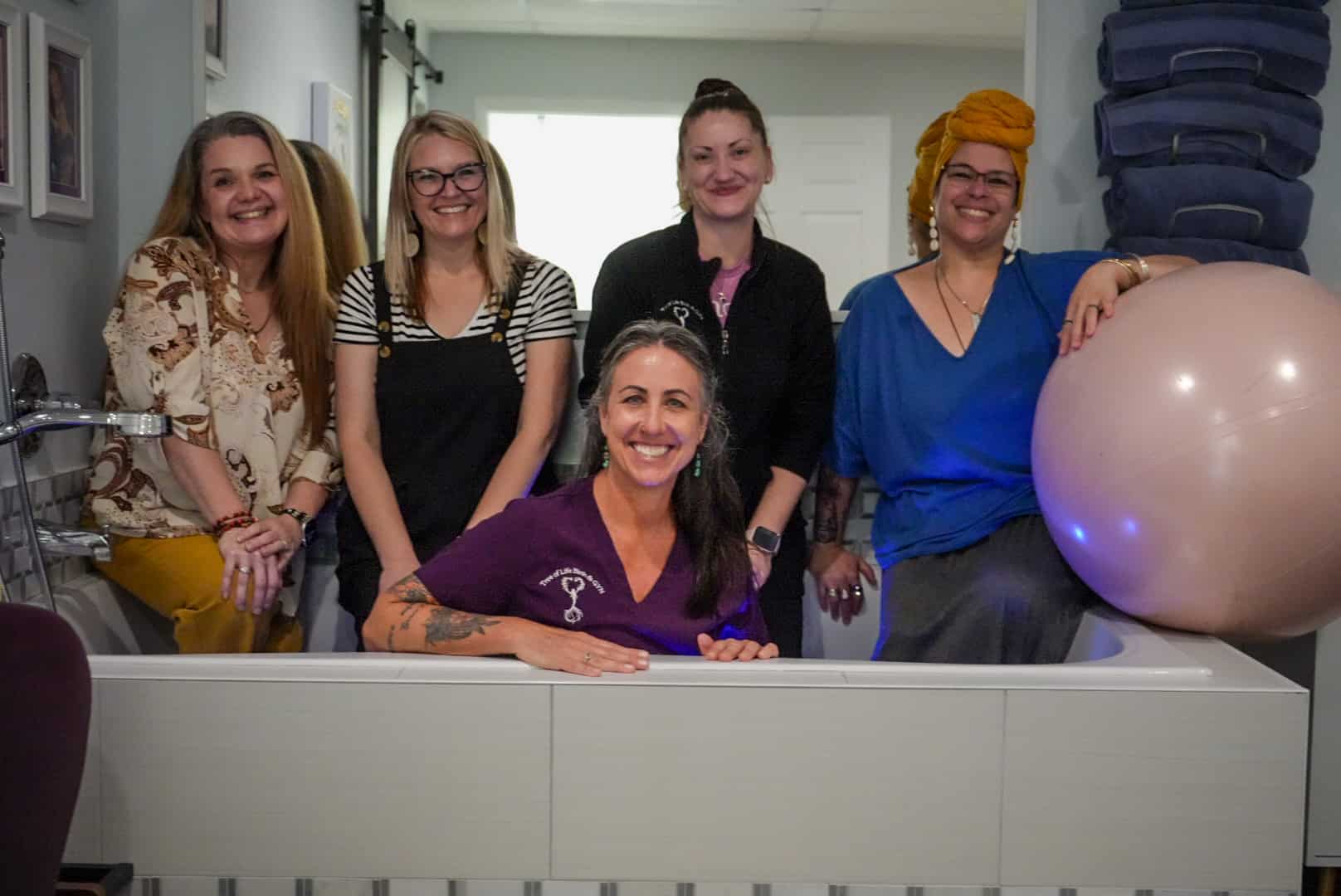
Throughout my career I’ve seen what’s possible when midwives choose collaboration over competition. Midwives from different training backgrounds stand shoulder to shoulder in the birth room, supporting a laboring mother with shared skill and commitment. Professional divisions fade; what remains is the heart of midwifery.
To the midwives of Central Florida:
Our region is growing, and more families seek physiologic birth, birth‑center care, and home options. We can respond with fragmentation—or with collaboration. We can mentor, consult, advocate, and present a unified voice to policymakers, hospitals, and the public.
There is enough work for all of us, and families deserve a system where midwives support each other. The birth stool has always been a place of shared strength—there is room for all of us there, and our future will be stronger if we choose to sit together.
Tree of Life Birth Center is a nationally accredited facility offering holistic prenatal, birth, and postpartum care and well-woman gynecology with the highest standards of the midwifery model of care. We help Florida families who are struggling with the standard maternity care model to achieve their ideal birth & wellness experience and feel heard, respected, and safe. Book your free consult today.